Planting Cycles and Frost Timing in Canada
A Canadian garden is timed less by the calendar month than by two moving dates: the last hard frost in spring and the first frost in autumn. The stretch between them is the frost-free growing season, and it varies widely — a coastal garden in British Columbia and a prairie garden in Manitoba can differ by many weeks. Planning around these dates, rather than a fixed date, is what keeps tender seedlings from being lost to a late cold snap.
Hardiness zones as a starting point
Canada has its own plant hardiness zone system, maintained through federal research, that maps where perennial plants are likely to survive based on climate variables. The zones are most useful for choosing perennials, shrubs, and trees that will overwinter. For annual vegetables, the more important figure is the local frost-free period.
Find your dates
Rather than rely on a generic date, look up the typical last-spring and first-fall frost dates for your municipality through Canadian plant hardiness resources, then treat them as a planning window that shifts year to year.
Cool-season and warm-season crops
Vegetables divide roughly into two timing groups, and sorting your list this way removes much of the guesswork.
Cool-season crops
Plants such as peas, lettuce, spinach, radishes, kale, and many brassicas tolerate light frost and prefer cooler temperatures. They can often go in before the last frost date and again as temperatures cool in late summer.
Warm-season crops
Tomatoes, peppers, beans, squash, and cucumbers are frost-sensitive. They are typically transplanted or sown only after the danger of frost has passed and the soil has warmed. In shorter seasons, starting these indoors and transplanting hardened-off seedlings is common practice.
last_spring_frost -> warm-season transplants go out after this
cool_season_sowing -> can begin before last_spring_frost
first_fall_frost -> warm-season crops should be harvested before this
season_length = first_fall_frost - last_spring_frost
Succession and a short season
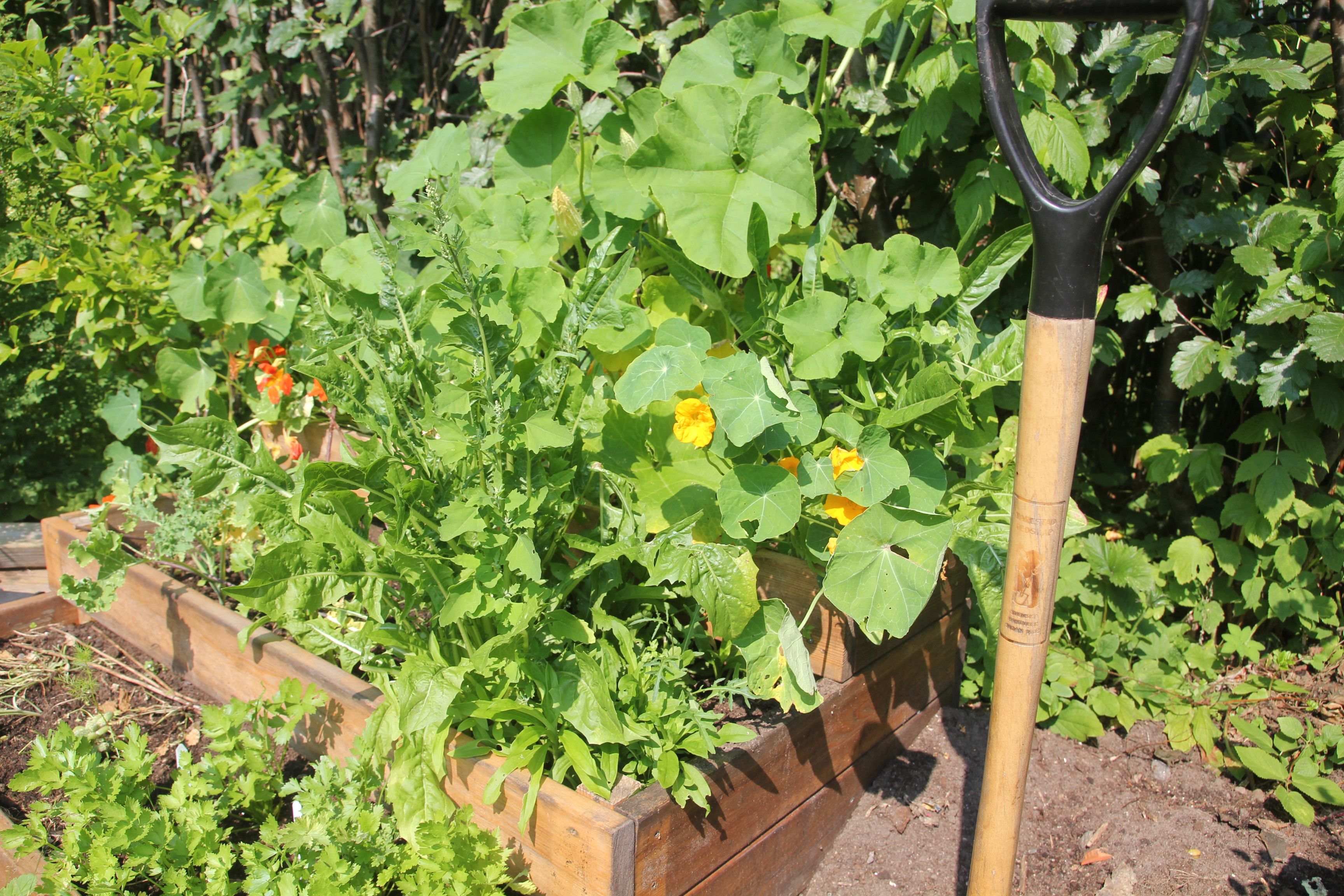
Where the season is short, two techniques stretch it. Succession planting means sowing small batches of fast crops every couple of weeks so harvests continue rather than arriving all at once. Season extension — row covers, cold frames, and raised beds that warm faster — can add usable days at each end.
- Sow quick crops like lettuce and radish in small, repeated batches.
- Follow an early cool-season harvest with a warm-season crop in the same bed.
- Use the autumn cool-down for a second round of frost-tolerant greens.
All of this depends on soil that warms and drains well, the subject of Building Healthy Garden Soil. The garden and kitchen waste these cycles produce feed the compost described in Balancing Greens and Browns.
References
- Natural Resources Canada — plant hardiness and climate information.
- Agriculture and Agri-Food Canada — crop and growing-season guidance.
- Wikipedia: Hardiness zone — overview of zone systems.