Soil · Seasons · Compost
A productive garden starts in the soil.
WestBasketCo collects working notes on home gardening and composting for Canadian conditions — how soil structure feeds plants, how planting follows the frost calendar, and how a compost pile stays balanced through the year.

Three working areas
The fundamentals this site keeps coming back to
Home gardening and composting overlap constantly. Healthier soil grows stronger plants; those plants and the kitchen feed the compost; the finished compost rebuilds the soil. These three sections follow that loop.
Soil health
Structure and organic matter
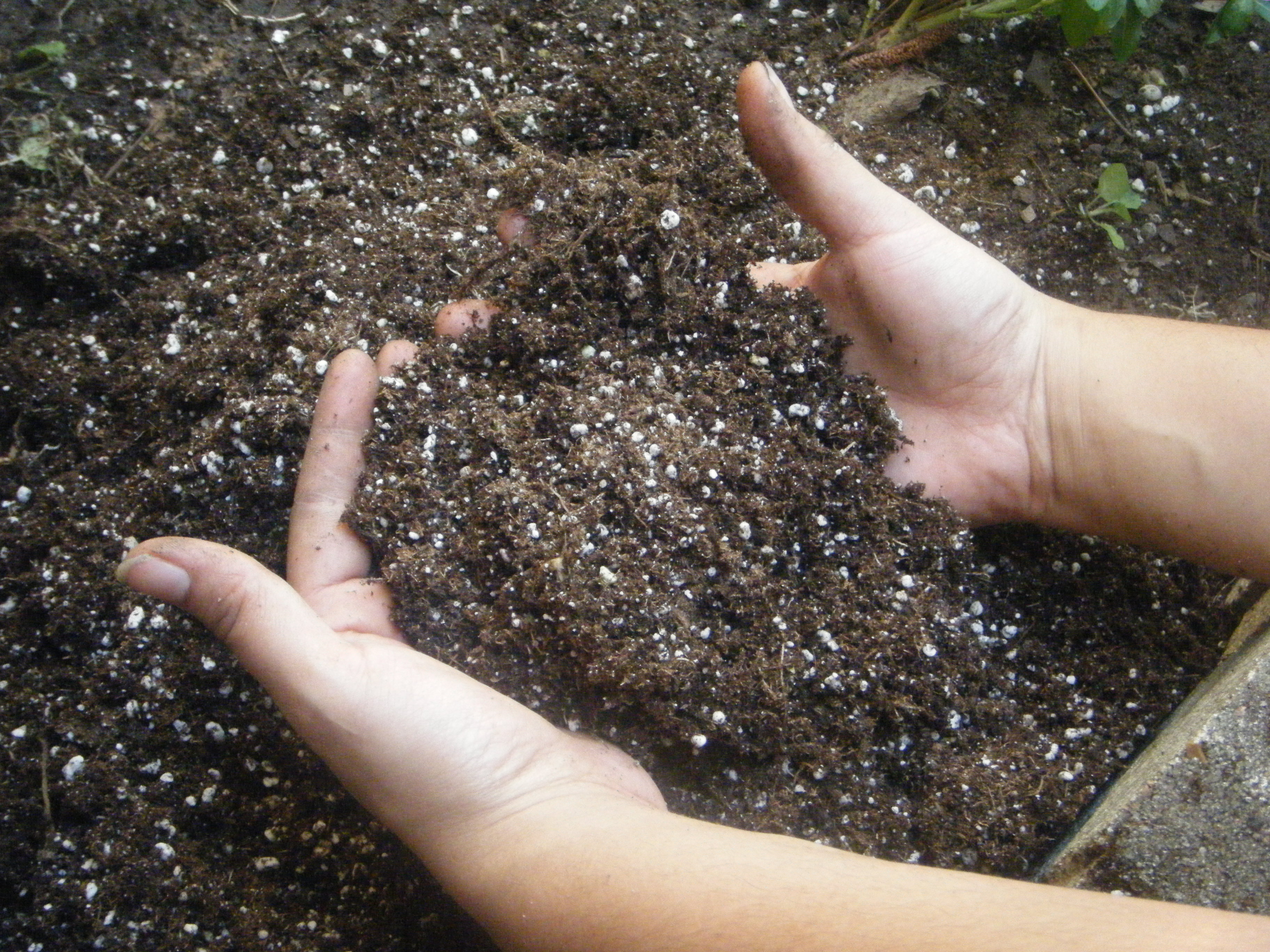
How texture, organic matter, and drainage decide what roots can do — and why finished compost is the most reliable amendment for most home beds.
Planting cycles
Working with the frost calendar
Canadian gardens are timed by the last spring frost and first fall frost. Knowing your plant hardiness zone shapes when seeds go in and what finishes before cold returns.
Composting
Greens, browns, air, water
A compost pile breaks down faster and with less odour when nitrogen-rich greens and carbon-rich browns are layered, kept damp, and turned for air.
Articles
Read in depth

A quick reference
The compost balance, at a glance
Greens supply nitrogen; browns supply carbon. Layering the two, keeping the pile as damp as a wrung-out sponge, and turning it for air are the practices most home guides return to.
# greens (nitrogen)
vegetable_scraps
fresh_grass_clippings
coffee_grounds
plant_trimmings
# browns (carbon)
dry_leaves
straw
shredded_cardboard
wood_chips
# keep out
meat, dairy, oils, pet_waste
vegetable_scraps
fresh_grass_clippings
coffee_grounds
plant_trimmings
# browns (carbon)
dry_leaves
straw
shredded_cardboard
wood_chips
# keep out
meat, dairy, oils, pet_waste
Contact
Send a note
Questions or corrections about a piece of writing here are welcome. This form runs in your browser only; nothing is transmitted to a server.